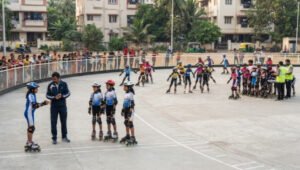
Skating is more than a sport; it is a moving classroom. While children think they are just
having fun, they are actually building skills that support their education and character
for years to come.
Balance and coordination Balancing on wheels demands constant micro-adjustments in the legs, core, and arms. This improves body awareness, posture, and coordination, which help with everything from handwriting to playing other sports.
Focus and concentration Skating requires children to watch where they are going, notice other skaters, and coordinate their movements in real time. That intense, present-moment focus is the same mental muscle they need to concentrate in class or while studying.
Discipline and routine Progress on skates comes from showing up regularly, repeating drills, and accepting correction. Children learn that consistent practice—not instant talent—is what moves them forward, a lesson that mirrors academic success.
Perseverance and resilience Every skater falls. Getting up again, and again, and again teaches children to handle setbacks without giving up. They discover that mistakes are not the end of the story, but a normal part of learning.
Confidence and self-belief Each skill mastered is a visible victory: first stand, first glide, first turn, first race. These small wins add up to a deeper belief of “I can do hard things,” which changes how children approach exams, projects, and social challenges.
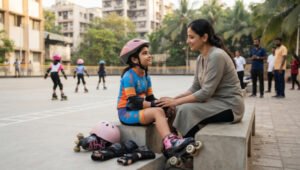
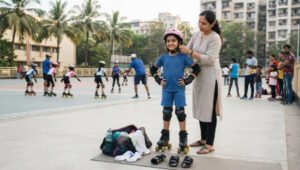
Risk assessment and safety awareness Choosing safe speeds, using protective gear, and learning how to fall safely all teach children to respect risk without being ruled by it. This kind of practical thinking helps them make better decisions in many areas of life.
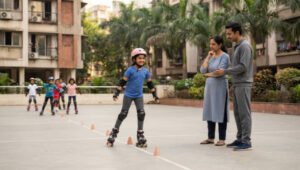
Goal-setting and planning From “skate five meters without help” to “finish a race,” skating dreams turn into specific, measurable goals. Children learn to break big ambitions into smaller steps and celebrate each one.
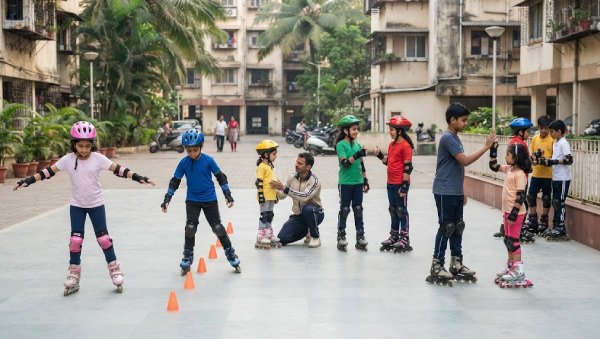
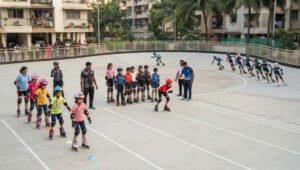
Social skills and teamwork In group classes, children learn to share space, wait their turn, encourage others, and sometimes participate in team relays or group drills. These experiences sharpen communication and empathy.
Stress relief and emotional regulation Movement is a natural stress-buster. Regular physical activity like skating can reduce anxiety, improve sleep, and support a more stable mood, all of which help children cope better with school pressure.
Time management and responsibility Balancing class, homework, and practice teaches kids to manage time wisely. Caring for their skates and gear builds a sense of responsibility for their belongings and commitments.
The minutes after a race are crucial. Children are emotionally open and sensitive; the way adults respond can either deepen their love for sport or... Continue reading
To a child, “district” or “state” sounds big and intimidating. Demystifying the process reduces anxiety and helps them walk in feeling prepared rather than overwhelmed.... Continue reading
At grassroots level, children usually see a mix of fun formats and formal races. Understanding the options helps parents and skaters choose events that match... Continue reading
A child is “ready” not just when they can skate fast, but when they are physically, technically, and emotionally prepared for a more structured challenge.... Continue reading

Add comment