Swapping endless scrolling for skate sessions unlocks sharper minds and stronger
bodies. Guiding kids toward active play over screens builds habits that pay dividends in
health and happiness.
The Hidden Costs of Excessive Screen Time
Too much screen exposure—over 60 minutes daily for young kids—hampers focus,
memory, and impulse control, key executive functions for learning. It spikes stress while
cutting physical activity, leading to poorer sleep and attention spans. Skating counters
this by boosting endorphins and brain blood flow for natural calm and clarity.
Wins from Prioritizing Skate Time
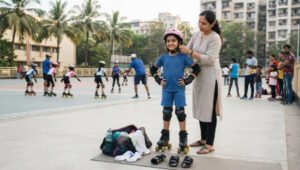
Skating replaces sedentary habits with movement that sharpens coordination, reduces
anxiety, and elevates mood through real-world achievements. Kids gain better
decision-making and emotional regulation, outperforming screen-heavy peers in
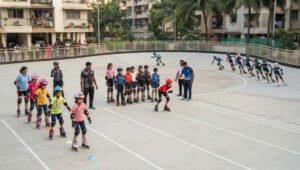
cognitive tasks. Outdoor or rink time fosters social bonds minus digital isolation.
Practical Steps to Shift the Balance
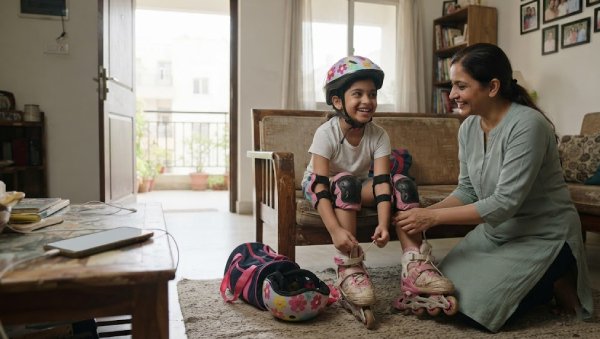
Set family "skate challenges": 30 minutes daily on wheels beats an hour online, tracking progress together.
Create screen-free zones post-7 PM, filling evenings with group skates or drills.
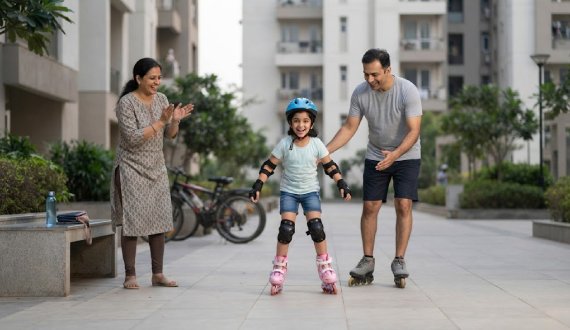
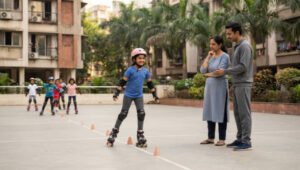
Model it: Join practices to make activity fun and shared.
Empower your child to choose skates over screens—they’ll thank you with brighter eyes
and boundless energy.
The minutes after a race are crucial. Children are emotionally open and sensitive; the way adults respond can either deepen their love for sport or... Continue reading
To a child, “district” or “state” sounds big and intimidating. Demystifying the process reduces anxiety and helps them walk in feeling prepared rather than overwhelmed.... Continue reading
At grassroots level, children usually see a mix of fun formats and formal races. Understanding the options helps parents and skaters choose events that match... Continue reading
A child is “ready” not just when they can skate fast, but when they are physically, technically, and emotionally prepared for a more structured challenge.... Continue reading



Add comment