Skating demands precision and presence, turning young minds into sharp, resilient
forces. Students who lace up their skates discover tools for academic success that last
a lifetime.
Sharpening Focus Through Glides and Edges
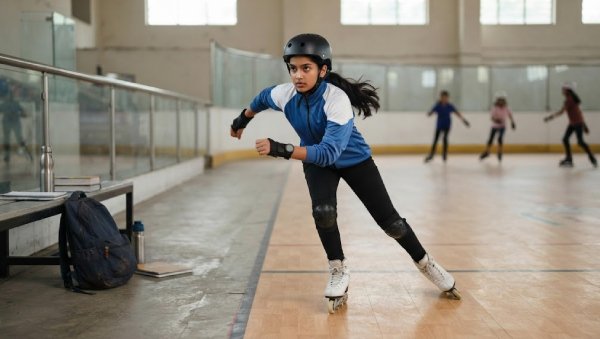
Skating requires sustained attention to balance, form, and rhythm, training the brain to
block distractions much like studying for exams. Physical activity from skating boosts
blood flow to the brain, enhancing concentration and memory retention for better
classroom performance. Young skaters learn to stay locked in during routines, building
the mental stamina needed for long homework sessions or tests.
Building Discipline One Practice at a Time
Regular skating sessions instill a routine of showing up, pushing limits, and refining
skills, fostering the self-motivation that spills into daily responsibilities. This
discipline—arriving on time, following coaching cues, and persisting through
falls—mirrors the grit required for consistent academic effort. Students emerge more
reliable and goal-oriented, ready to tackle assignments with the same determination
they apply on the rink.
Mastering Time Management on and Off the Ice
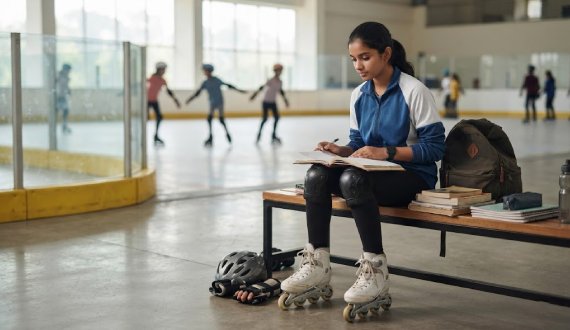
Juggling school deadlines with practice schedules teaches prioritization and efficient
planning from an early age. Skaters quickly learn to block time for homework around
sessions, creating habits that prevent procrastination and reduce stress. This structured
approach not only elevates grades but equips them with lifelong skills for balancing
ambitions.
Imagine your child gliding confidently, their mind clear and organized—skating isn’t just
a sport; it’s a foundation for thriving in every arena.


Add comment